In the digital age, data is the lifeblood of businesses, driving decision-making, innovation, and competitiveness. However, the complexity of managing this data has grown exponentially, leading to challenges in security, efficiency, and reliability. Let’s explore the importance of IT simplification, shedding light on how companies can streamline their data management process to enhance security and integrity.
Why Does IT Simplification Matter?
Global corporate and customer data is under constant attack because it is the most valuable and vulnerable asset. The big problem we see today is that companies tend to wrap their data. They take their data and then put some type of database around it to make it queryable. Then, they put encryption around that to protect it. Then, they put some kind of backup around that so they can get some kind of resiliency. And then, on top of that, they put replication so they can get geographic resiliency and distribution. At Walacor, we call this the Onion Problem.
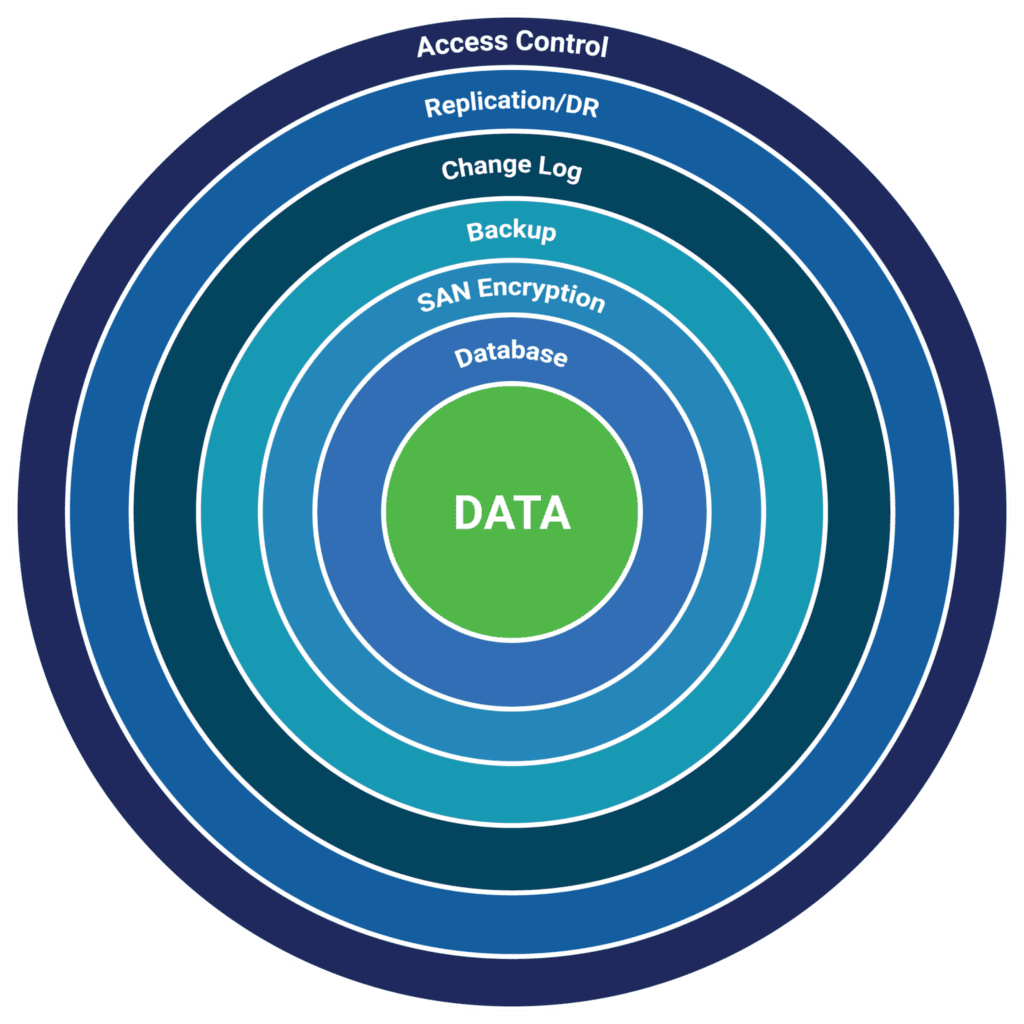
The problem with this strategy is that it negatively impacts the integrity of the data because it adds more surface area. It adds more people involved, and it adds more software to the process. The most important thing is it actually adds more complexity. Each of these roles and each additional piece of software introduced increases the likelihood that you will have a breach, issue, or corruption. All of these impact the most important thing: the integrity of the data you’re storing at the lowest level.
The Cloud Adoption Challenge
A notable trend, especially with cloud adoption, is that this complexity is being taken to the next level. Cloud environments bring flexibility and scalability but also introduce new challenges in managing data across diverse platforms. With Walacor, IT simplification is real, and we include best practices in every step, not just for onsite but also for hybrid, which is a fancy way of saying on-premise and in the cloud as well. By bringing multiple layers of The Onion together into one product, you can minimize and simplify everything you have to do to adopt and secure the data you’re putting into those areas.
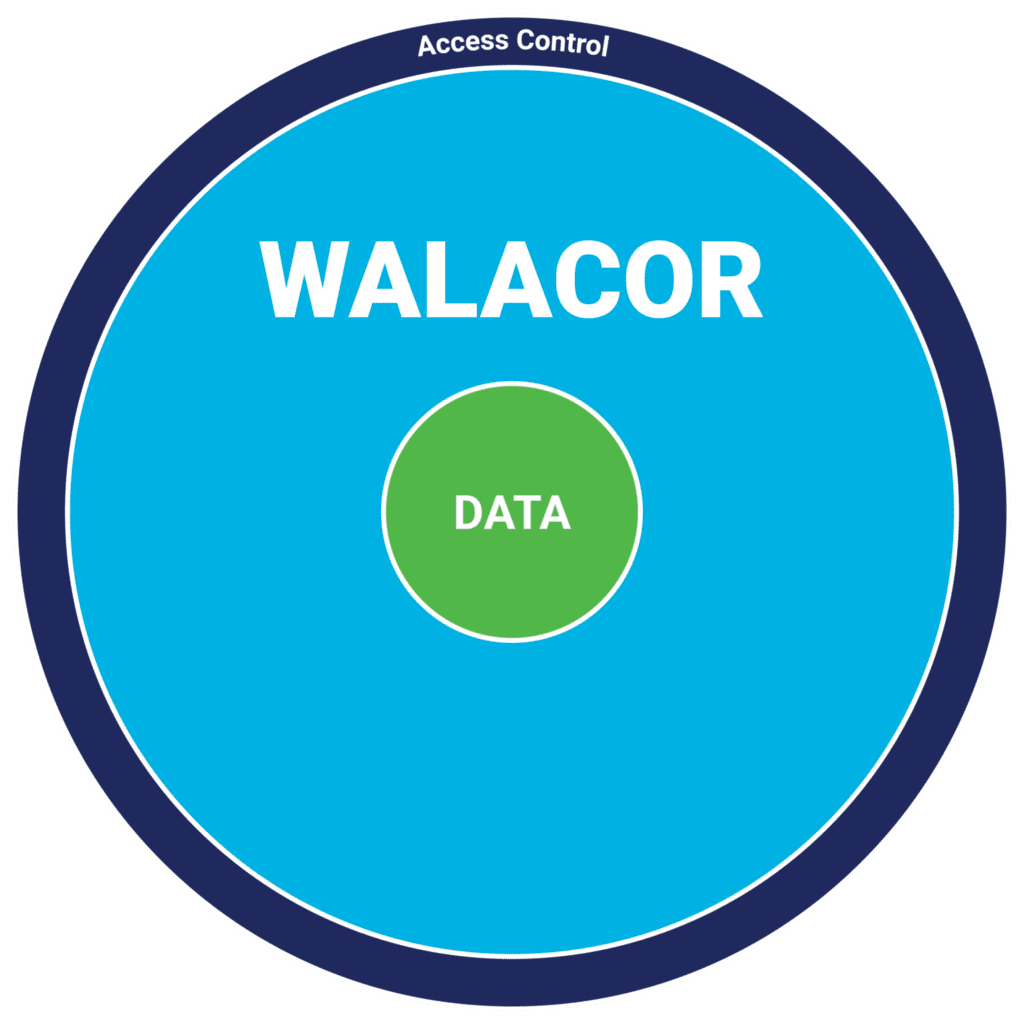
From a general standpoint, one of the things we all have to worry about is the data we are protecting. The Walacor idea is that all data is worth protecting. But especially if you’re getting into this for the first time, you really can’t boil the ocean. So, a recommendation we make, and one that Walacor talks about, is the idea of a golden copy or side-by-side. The idea is that you have a lot of data you’re using, but only some of it is important enough to need the utmost protection and move into this type of infrastructure. When you start going down this path, it can be quite daunting. So, instead of considering everything, pick something and start small. Start incrementally so you can adapt as time goes on.
IT Simplification – The Walacor Way
Walacor came to be because our team – everyone involved in the product – had a lot of experience as operators and consultants. We’ve done big data, large ERP systems, and managed huge data sets for multinational companies. And we’ve always found that for data at the lowest level, there are always some questions about its overall integrity. And that’s really why Walacor came into the picture. It was developed so that at the lowest level, data becomes beyond reproach. The integrity of that data is 100%, and that is by far the largest contribution that Walacor makes. We make it so that what you put into your data set is exactly what you get out – and we can prove it. And, when you think about it, that is really something that is missing from the marketplace today.